Commercial Repairs in Sherwood Park, Edmonton, and the Alberta Capital Region
Commercial repairs are not just small construction jobs with a business name attached. Tenant access, operations, safety, documentation, and building systems all affect how the repair should be scoped and executed.
Canadian Contractor Services helps commercial owners, managers, and business operators deal with repairs that need practical planning, clean communication, and enough documentation to explain what happened.
Where Commercial Repairs Get Messy
A repair inside a commercial property can affect tenants, staff, customers, access, insurance records, lease obligations, and building operations. The repair may be simple. The environment around it usually is not.
CCS starts by separating the visible damage from the conditions that caused it, then scopes the work so the owner or manager is not left guessing.
Repair Work With Better Records
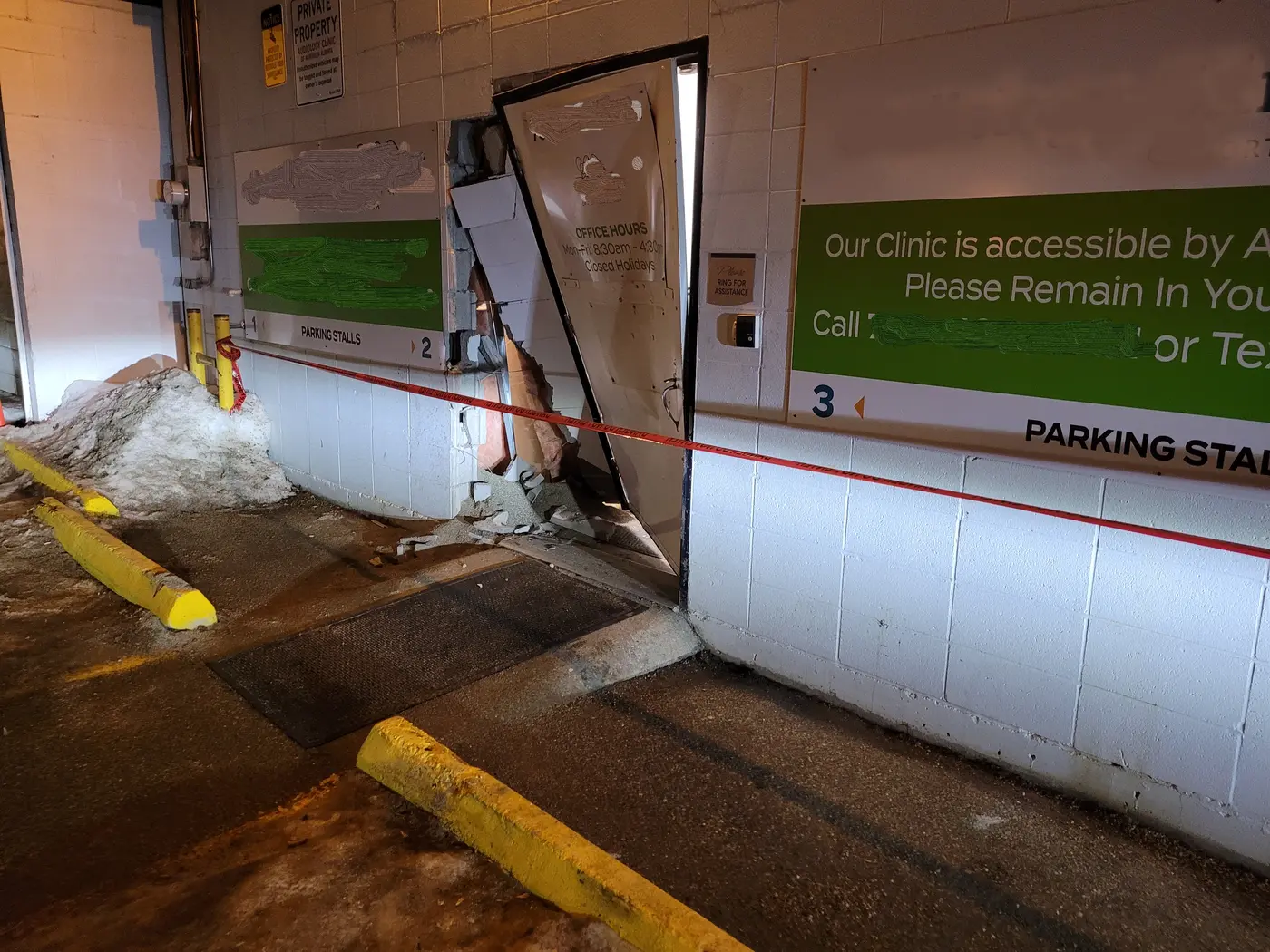
Property managers and owners need more than a quick patch. They often need photos, notes, repair logic, and a clear record of what was found before the work disappeared behind finishes again.
That matters for recurring leaks, tenant damage, maintenance budgets, insurance files, and owner reporting.
Commercial Repair Work CCS Can Help With
Canadian Contractor Services handles commercial repair situations where building conditions, scheduling, documentation, or coordination matter as much as the repair itself.
Interior Commercial Repairs
- damaged walls, ceilings, partitions, doors, and finishes
- tenant turnover repairs and practical make-ready work
- repair coordination around occupied areas
Water, Leak, and Envelope-Related Repairs
- repairs connected to leaks, moisture, or recurring staining
- coordination around wall, roof, window, and penetration tie-ins
- documentation before damaged areas are closed back up
Owner and Property Manager Support
- clear scope notes before pricing and scheduling
- photo records for owner, tenant, or insurance review
- practical repair recommendations without hiding the cause
Business-Facing Coordination
- access, safety, containment, and scheduling planning
- communication around business disruption
- sequencing that respects active operations where possible
Not Every Repair Should Be Treated as Cosmetic
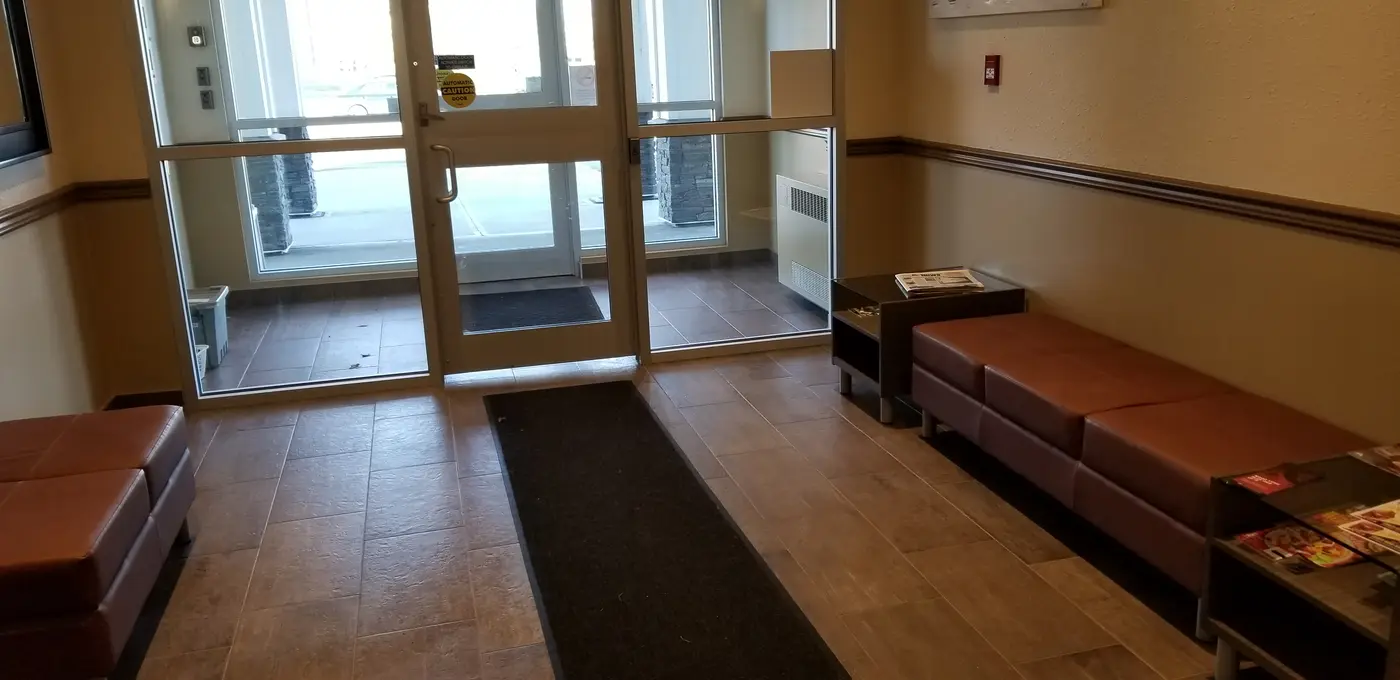
Some commercial repairs are straightforward. Others are symptoms of a bigger issue: water getting into an assembly, a failed transition, tenant damage hiding a previous condition, or maintenance that has been deferred too long.
CCS looks at the condition first so the repair does not become another layer over the same problem.
Repairs for Active Commercial Spaces
Commercial repair work often has to happen around people using the building. That changes the planning. Noise, dust, access, timing, and safety need to be handled before the crew shows up with tools.
The goal is not to pretend there will be no disruption. The goal is to make the disruption understood, managed, and documented.
Commercial Repairs Service Area
Canadian Contractor Services provides commercial repair support across Edmonton, Sherwood Park, St. Albert, Fort Saskatchewan, Beaumont, and surrounding Alberta communities.
What We Need Before Repair Work Starts
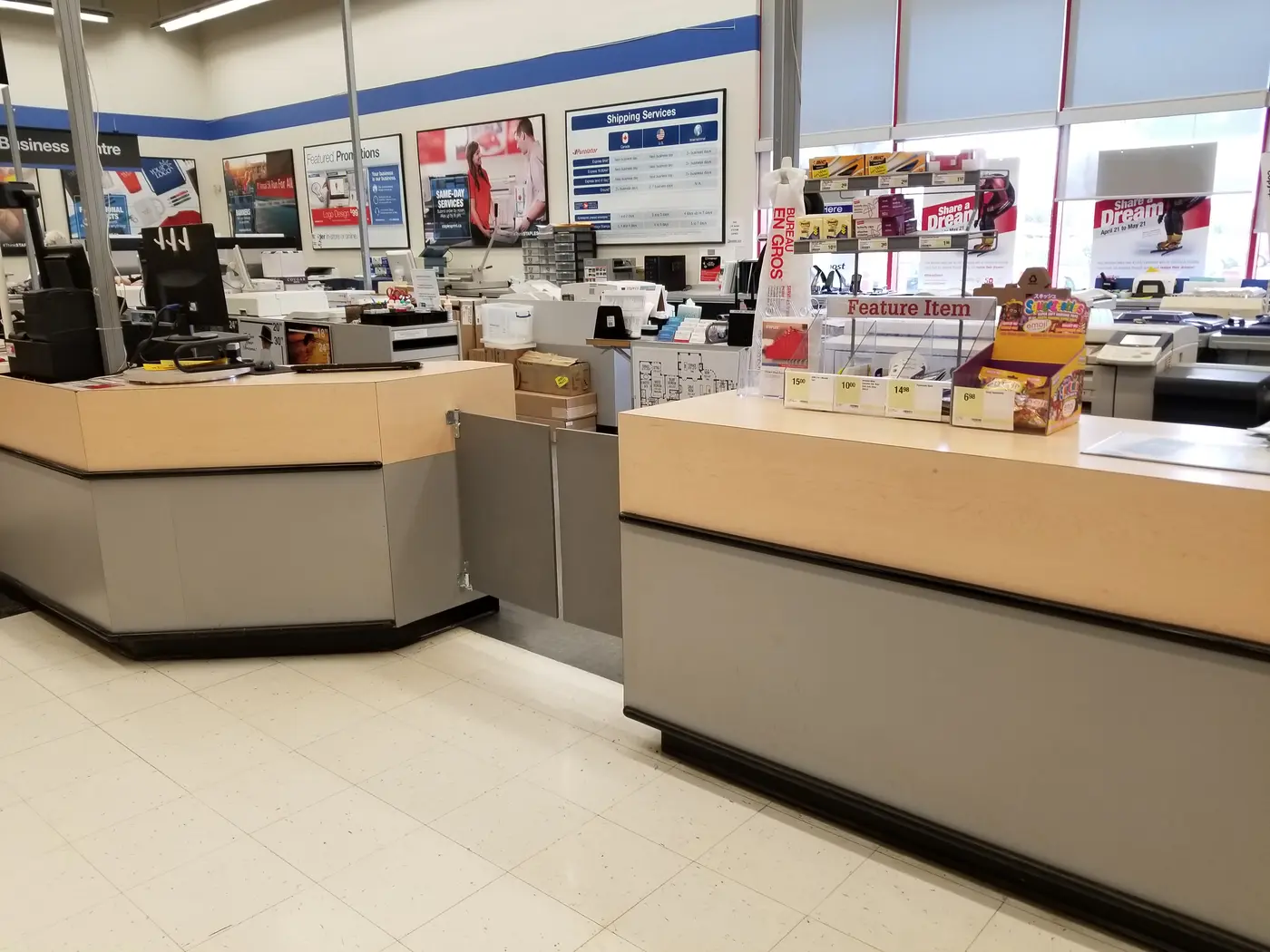
Commercial repairs are not residential patches. A damaged hinge on a millwork display, a chipped tile in a retail entrance, a scratched veneer panel on a branded fixture. These are not problems you solve with whatever is on the shelf at the hardware store. The original materials were specified by architects and designers when the space was built, and replacing them correctly means knowing what was specified.
That information usually exists somewhere. Most commercial builds have a project bible or closeout package that documents paint colours, tile specs, hardware finishes, veneer types, stainless steel grades, fixture manufacturers, and material sources. The problem is that by the time a repair is needed, that documentation has moved three facility managers deep into a filing system nobody updates. Store-level staff rarely have it. Regional managers may not know it exists. And the facility maintenance group sometimes has to track it down from corporate or the original design team before anyone can order the right part.
We are not in a position to guess what was originally installed. If the spec calls for a specific brushed stainless plate, a particular solid-surface edge profile, or a tile that was discontinued four years ago, that is information the ownership or management side needs to surface. We can source and order materials once the spec is confirmed, and we can flag when something is no longer available so a substitution decision happens before the crew is on site waiting. But the starting point is knowing what we are matching, not arriving and hoping it looks close enough.
If your facility has a project bible, pull it before calling for a repair quote. If it does not, tell us up front. It changes how the scope is built and how long the job will take.
How We Price Commercial Repair Work
A commercial repair quote is not something that gets built in fifteen minutes while a manager walks us through a space pointing at damage. A proper scope means confirming what failed, what materials are involved, what is pre-existing versus new damage, and building a line-item estimate that holds up once the work starts. That takes real time, often somewhere between half a day and multiple days depending on what needs to be opened, tested, or matched.
If the project has documentation from the original build, engineering reports, or consultant assessments, that process is straightforward. Everyone prices the same scope and you can compare bids honestly. If that documentation does not exist, and on most tenant-improvement and retail repair calls it does not, then someone has to build the specification before anyone can give you a real number. Walking three contractors through a space and asking each one to guess is not a bidding process. It is a lottery where the lowest number usually means the most things were left out.
For straightforward repairs, the initial conversation and estimate cost nothing. Call us and we will tell you what we see. For projects where a detailed scope needs to be built from scratch, that scoping work is a paid pre-construction step. The deliverable is yours, a documented specification you can hand to any contractor and finally compare on equal terms. We would rather spend that time properly and stand behind the result than rush a number we would both regret once the walls are open.
Get the Repair Scoped Before It Gets Buried
If a commercial repair involves water, access, tenants, repeated damage, or owner reporting, get CCS involved before the work turns into another patch with no explanation behind it.